
Ques. Analyze the role of women’s organizations in promoting gender equality and women’s empowerment in India.
Hints:
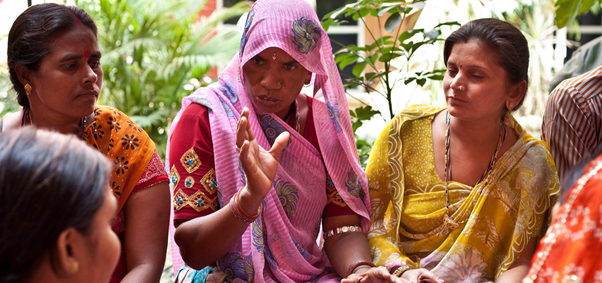
Women’s organizations in India have played a transformative role in advancing gender equality and women’s empowerment, acting as catalysts for legal reform, social change, and economic inclusion. Their efforts span from grassroots mobilization to national advocacy, shaping policies and challenging patriarchal norms.
Must read: “Empowering women is the key to control population growth.”
Role of Women’s Organizations in India:
Legal Advocacy:
Pushed for laws like the Domestic Violence Act, Sexual Harassment at Workplace Act, and amendments to Dowry Prohibition Act.
Educated women about their legal rights and provided support during litigation.
Economic Empowerment:
Organizations like SEWA and Mahila Mandals promote financial literacy, microcredit access, and entrepreneurship.
Enabled women in informal sectors to gain economic independence and collective bargaining power.
Educational Initiatives:
Promoted female literacy, vocational training, and gender-sensitive curricula.
Reduced dropout rates and improved access to education in rural and marginalized communities.
Health and Social Awareness:
Conducted campaigns on reproductive health, menstrual hygiene, and mental well-being.
Provided healthcare access and counseling services, especially during crises like the pandemic.
Combating Gender-Based Violence:
Offered shelters, legal aid, and counseling for survivors.
Raised awareness and reduced stigma around domestic violence and sexual harassment.
Thus, women’s organizations are vital catalysts for gender equality. They drive empowerment by promoting economic independence, advocating for legal rights, providing essential support services, and raising political awareness. These grassroots and institutional networks dismantle systemic barriers and elevate women’s voices across all levels of society.
