
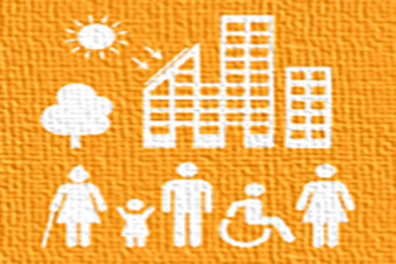
QUES. The SDGs are urgent calls to action. Explain SDG 1, 5 and 11 in terms of building inclusive and sustainable cities. UPSC IES/ISS EXAM 2026. General Studies. 200 Words. 5 Marks.
HINTS:
The Sustainable Development Goals (SDGs) are indeed an urgent call to action. Adopted by all United Nations Member States in 2015, they serve as a shared blueprint to end poverty, protect the planet, and ensure global peace and prosperity.
Must read: Importance of the Smart Cities Programme
Development Goals (SDGs) 1, 5, and 11 work together to build cities where everyone thrives. Cities are great places for jobs and innovation, but they often struggle with poverty, inequality, and pollution. By linking these goals, we can create urban areas that provide equal opportunities and healthy environments.
Must read: Feasibility of “Smart Towns” Development in India
Goal 1: No Poverty (Building Equal Opportunities)
What it means: Ending extreme poverty and ensuring all people have equal rights to basic resources, services, and land.
In the city: Cities must offer affordable homes, affordable healthcare, and reliable public transit so that low-income workers are not left out. When a city provides cheap housing and fair wages, people can escape poverty.
Goal 5: Gender Equality (Designing for Safety and Inclusion)
What it means: Giving women and girls the same rights, power, and opportunities as men, and protecting them from harm.
In the city: Cities must be planned with women’s safety in mind. This means well-lit streets, safe public toilets, and public transit that is secure at night. When women can safely use all parts of the city, they can better participate in school, work, and community life.
Goal 11: Sustainable Cities and Communities (Bringing It All Together)
What it means: Making cities safe, resilient (able to bounce back from disasters), and environmentally friendly.
In the city: It focuses on tackling rapid urbanization challenges by ensuring access to affordable housing, efficient public transport, clean air, and safe green spaces. It ties SDGs 1 and 5 together by ensuring that the physical design of the city works for everyone.
How They Work Together
Imagine a city that builds good public transportation (SDG 11). If that transit is cheap (SDG 1) and safe for women to use at night (SDG 5), then the city has successfully used these three goals to make life better, safer, and fairer for everyone.
