
QUES . Trace the evolution of Temple architecture in South India. UPSC IES/ISS EXAM 2021. General Studies. 200 Words. 5 Marks
HINTS:
The evolution of temple architecture in South India spans several centuries and is characterized by various styles and influences. Here is a brief overview of the different periods and styles of temple architecture in South India.
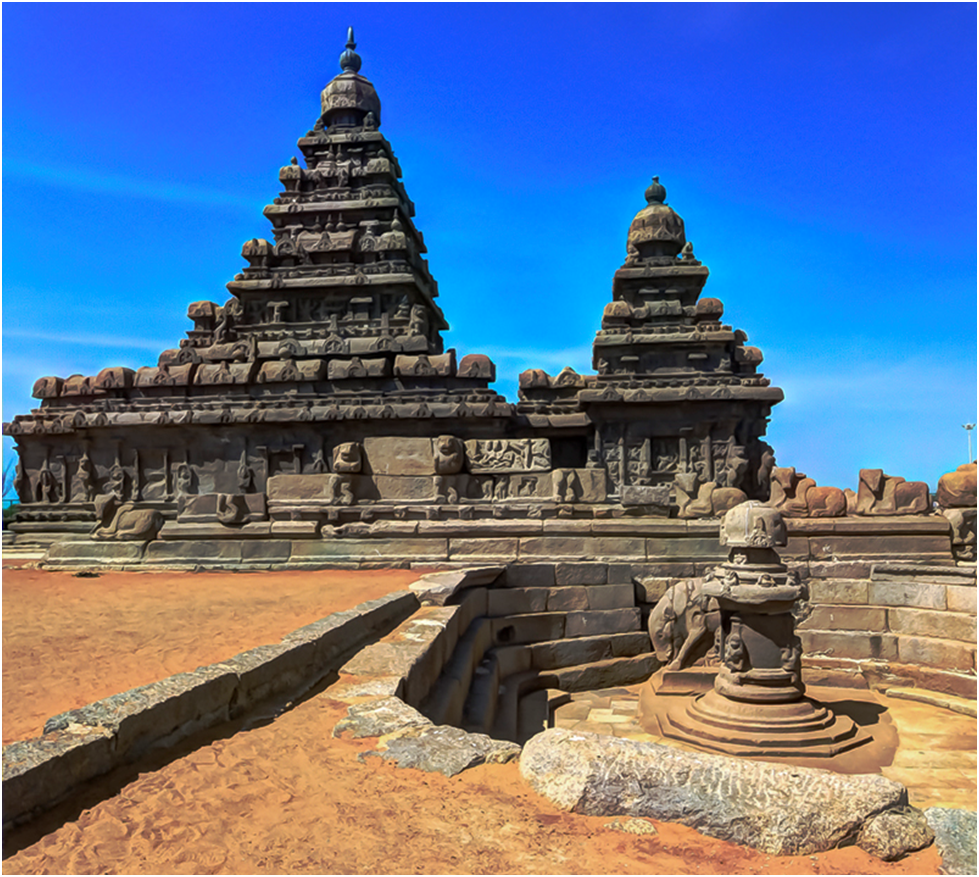
Pallava period (4th – 9th century CE)
The Pallavas were the earliest dynasty to leave a lasting impact on the architecture of South India. They were known for their rock-cut temples and monolithic rathas (chariots) at Mahabalipuram. The Shore Temple at Mahabalipuram is a classic example of Pallava architecture, which features a pyramidal tower with a sanctum and a mandapa (pillared hall).
Chola period (9th – 13th century CE)
The Cholas perfected the Dravidian temple style inherited from the Pallavas. During this time, the architecture style became more elaborate by moving away from the early cave temples of the Pallavas.
Stone came to be used as the predominant material for the construction of the temples during this time.
The Cholas were great temple builders and their architecture was characterized by elaborate gopurams (gateway towers), vimanas (pyramidal towers over the sanctum), and mandapas (pillared halls).
The Brihadeeswara Temple at Thanjavur, built by Rajaraja Chola I, is considered one of the finest examples of Chola architecture.

Other notable Chola temples include the Airavatesvara Temple at Darasuram and the Gangaikonda Cholapuram Temple.
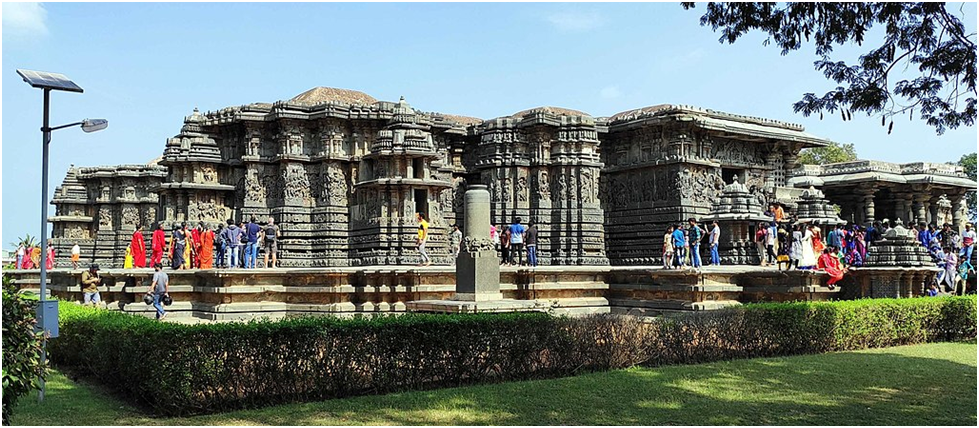
Hoysala period (11th – 14th century CE)
The Hoysalas were known for their intricate and ornate temple architecture, featuring elaborate carvings of gods, goddesses, and mythical creatures. Their temples were characterized by a star-shaped ground plan and a distinctively styled shikhara (tower over the sanctum). The Chennakesava Temple at Belur and the Hoysaleswara Temple at Halebid are considered the finest examples of Hoysala architecture.
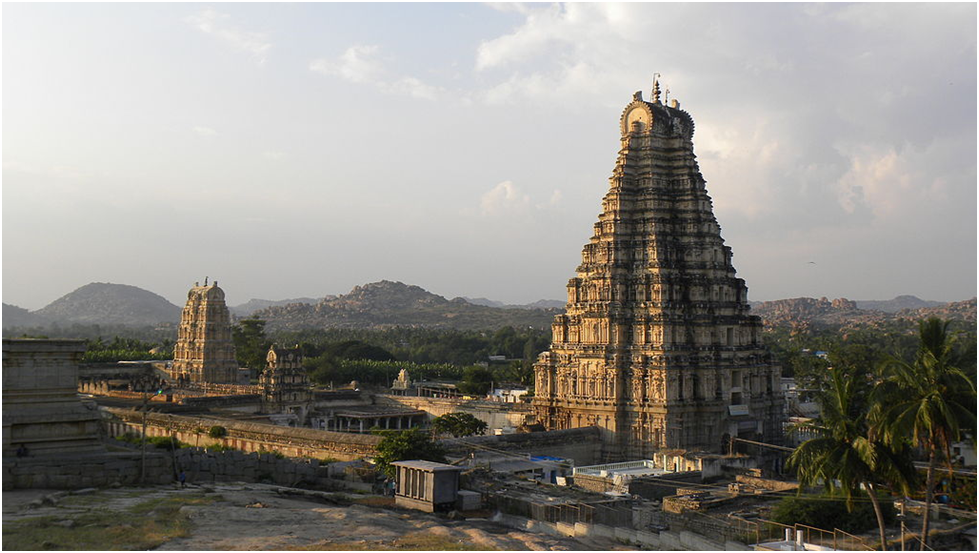
Vijayanagara period (14th – 16th century CE)
The Vijayanagara Empire was known for its grand temple architecture, characterized by towering gopurams and large courtyards. The Virupaksha Temple at Hampi and the Vittala Temple at Hampi are some of the most magnificent examples of Vijayanagara architecture.
Nayaka period (16th – 18th century CE)
The Nayaka dynasty continued the tradition of temple building in South India, but their architecture was characterized by a fusion of Dravidian and Islamic styles. The Meenakshi Amman Temple at Madurai, built by Tirumalai Nayak, is considered one of the finest examples of Nayaka architecture.
Overall, the evolution of temple architecture in South India is a fascinating journey through different styles and influences, each leaving a lasting impact on the region’s architectural heritage.
