
QUES . Though both Non-Cooperation movement (NCM) and Civil Disobedience Movement (CDM) were led by Gandhi.and had similar objectives, Civil Disobedience Movement (CDM) was far ahead than Non-Cooperation movement (NCM). Discuss.
HINTS:
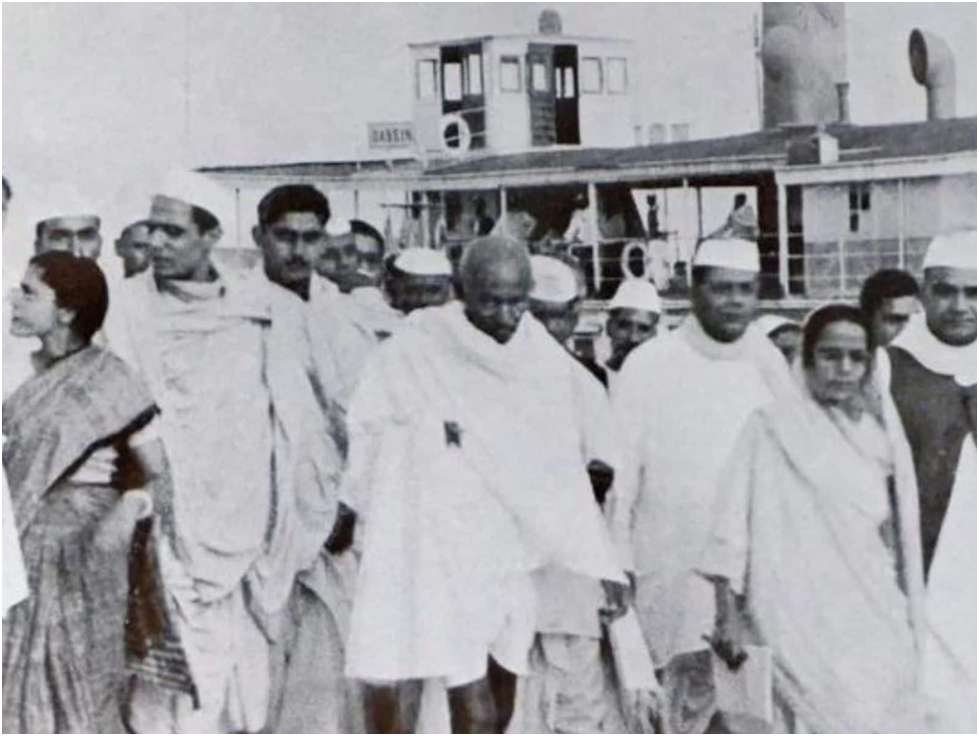
Non-Cooperation movement (NCM) and Civil Disobedience Movement (CDM) were main events of the Indian freedom struggle that were based on Gandhian ideologies. They helped break the myth of benevolent despotism of british raj and unifying masses for future movement for independence.
However, Civil Disobedience Movement (CDM) was far ahead than Non-Cooperation movement (NCM) in many ways:
• The philosophy behind Civil Disobedience Movement (CDM) was not just non-cooperation with the British government, but active defiance of unjust laws. Non-Cooperation movement’s (NCM) underlying philosophy was just non cooperation with the British government.
• Civil Disobedience Movement (CDM) saw unprecedented participation of women , they took out processions, picketed liquor shops etc. In other words, the movement brought them out of the private sphere in public sphere.
• The participation of masses in rural areas was far ahead than in Non-Cooperation movement’s (NCM). Illegal making of salt and its distribution became a national activity.
• Civil Disobedience Movement (CDM) put forward the demand of ‘Purna Swaraj’ or complete independence from British rule, Non-Cooperation movement’s (NCM) was vague in its definition of self rule.
• The Civil Disobedience movement was of much longer duration. It ended in two phases. The second phase ended in April 1934, four years after its launch. The Non-Cooperation movement was of shorter duration and was withdrawn on 12th February 1922 after the Chauri Chaura incident on 5th February 1922. It thus lasted for one and a half years only.
• The civil disobedience movement saw widespread geographical coverage and mass participation in comparison to the non-cooperation movement.
• The number of people who went to jail was around 90,000 which was 3 times that of Non-Cooperation movement (NCM).
• Civil Disobedience Movement (CDM) gave birth to many other movements like anti-chowkidara tax agitation, anti-Union Board movement, defiance of forest laws in Central India, Karnataka etc.
Neither the Non-Cooperation movement nor the Civil Disobedience movement could achieve their stated objectives of Swaraj and Complete Independence respectively. However, their real effectiveness lay in the political mobilisation of the masses and the half-hearted constitutional reforms extended by the British government.
Must read: Non-cooperation Movement and Civil Disobedience Movement – the strategic shifters
