
In the 1890s, Birsa Munda emerged at the head of a movement of the Munda tribes of SInghbhum and
Ranchi districts of Chotanagpur region. The Ulgulan (‘Great Tumult’), as this movement was called, and which was aimed at getting independence establishing a Munda Raj, went on in phases right into the twentieth century.
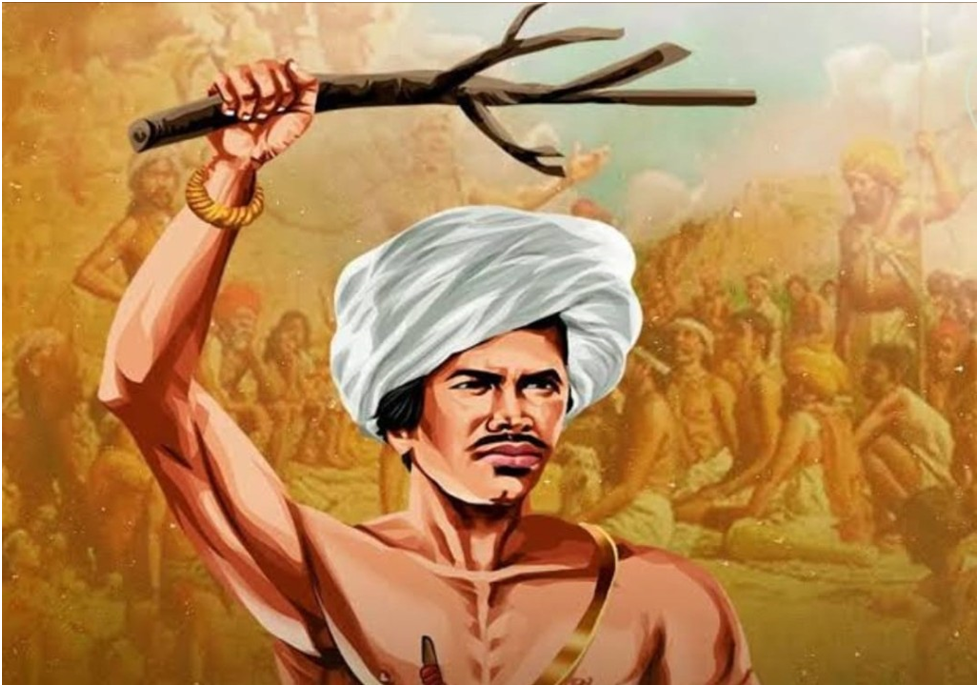
What were the causes of the Ulgulan or Munda revolt?
With the coming of the British, the traditional ways of the tribals both with regard to their social customs and with regard to land were drastically affected as the British policies introduced the zamindari system with the new classes of landlords and tenants.
The tribals were now forced to pay rent to the landlords and failure to do so resulted in their eviction from land. Paying rent meant increasing dependence on usurious moneylenders and ultimately debt.
Resenting the harassment by the landlords, who were encroaching the tribal land and often pushed them into begar (forced labour), besides using brute force, the Munda tribals rose in revolt under Birsa Munda. The objective was to attain religious and political independence.
The arrest and conviction of Birsa to two years of imprisonment by the British made the rebels more determined to go ahead with the movement which now took to violence.
The revolt broke out in December 1899 and was directed against the dikus who included Christian missionaries as well as the much-hated landlords, contractors, police, and government officials.
What was the British response to the Ulgulan or Munda revolt?
The British response was ruthless suppression. Birsa was arrested in 1900 and died of illness. Many rebels who were arrested were imprisoned and sentenced to death. The movement was, thus, weakened.
What were the achievements and significance of Ulgulan or Munda revolt?
Following the Birsa Movement, the authorities felt that the interests of the tribals needed to be safeguarded. The government decided to abolish the compulsory begar system and passed the Tenancy Act of 1903 under which the Mundas’ Khuntkatti system was recognised. The Chotanagpur Tenancy Act was passed in 1908.
Birsa assumed legendary fame, and his movement was an inspiration for the social, religious, and political movements of tribals in the future.
Must read: How British policies impacted the major resources of the tribals?
How did the colonial rule affect the tribals in India?
External link: https://en.wikipedia.org/wiki/Birsa_Munda
PRACTICE QUESTIONS
QUES . With reference to the history of India, “Ulgulan” or the Great Tumult is the description of which of the following events? UPSC 2020
(a) The Revolt of 1857
(b) The Mappila Rebellion of 1921
(c) The Indigo Revolt of 1859 – 60
(d) Birsa Munda’s Revolt of 1899-1900
Ans (d)
