
Ques. Give an outline of the Swadeshi Movement in Bengal between 1905 to 1908. Critically analyze its impact on freedom struggle.
Hints:
The Swadeshi Movement in Bengal (1905–1908) arose in reaction to the Partition of Bengal by Lord Curzon, which was perceived as an attempt to divide and weaken nationalist sentiments. The movement marked a new phase in India’s freedom struggle, characterized by mass mobilization, boycotts, and the promotion of indigenous goods.
Must read: Swadeshi Movement : a turning point in modern Indian history
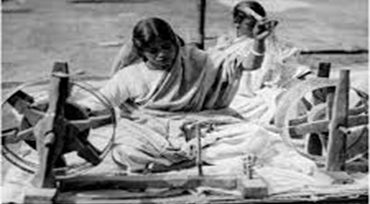
The movement began in August 1905, with leaders like Surendranath Banerjee, Gopal Krishna Gokhale, Bal Gangadhar Tilak, and Aurobindo Ghosh advocating for the boycott of British products and support for swadeshi (home-made) goods. Public meetings, processions, and symbolic bonfires of foreign cloth became common. Emphasis was placed on the revival of Indian industries, education, and self-reliance, laying the foundation for economic nationalism.
In addition to economic resistance, the movement saw the rise of nationalist education initiatives, such as the National Council of Education, and increased participation from students and women, reflecting deeper social engagement. The emergence of militant nationalism, particularly in Bengal, was seen in the activities of revolutionary groups influenced by the writings of Bankim Chandra Chatterjee and Aurobindo Ghosh.
Although, the Swadeshi Movement was ultimately suppressed by repressive British policies, including arrests and bans on public gatherings, its impact was far-reaching. It ignited national consciousness, fostered economic self-sufficiency, and introduced new forms of resistance, including non-cooperation and civil disobedience, which influenced later movements led by Gandhi.
Thus, the Swadeshi Movement in Bengal laid the ideological and practical groundwork for India’s struggle for independence, marking a decisive shift from petition-based politics to assertive mass nationalism.
