
QUES. Discuss the influence of Indian politics and culture on South East Asia during the ancient period. UPSC IES/ISS EXAM 2026. General Studies. 200 Words. 5 Marks.
HINTS:
During the ancient period, Indian traders, monks, and scholars brought their political beliefs, religions traditions and arts to Southeast Asia. This created “Indianized” kingdoms that blended Indian concepts with local traditions. This exchange shaped the region’s cultural systems, architecture, and politics. Here are the main ways India influenced ancient Southeast Asia:
1. Politics and Government
Divine Kingship: Southeast Asian rulers adopted the Indian concept of the “Devaraja” (God-King). Kings were seen as earthly forms of Hindu gods like Shiva or Vishnu. This gave rulers more absolute power.
Sanskrit Administration: Kingdoms used Sanskrit terminology for government titles, laws, and royal decrees.
Statecraft: Indian advisers helped local tribes build highly organized and centralised governments.
2. Religion and Philosophy
Hinduism and Buddhism: Both religions spread across the sea and land from India.
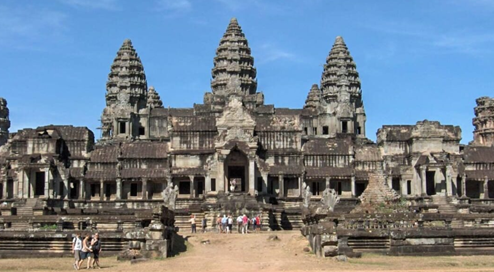
Religious Blend: Rulers supported the building of massive religious monuments. Famous examples include the giant Buddhist temple of Borobudur in Java, Indonesia, and the Hindu temple complex of Angkor Wat in Cambodia.
Local Adaptation: While locals eagerly adopted the new religions, they rejected the strict Indian caste system.
3. Language and Literature
The Pallava Script: The written alphabets of many Southeast Asian languages (such as Thai, Khmer, and Javanese) were developed from the ancient Pallava script of South India.
The Epics: The Indian epic poems the Ramayana and the Mahabharata became deeply popular across the region. They inspired local shadow puppet plays, dances, and literature that are still performed today.
4. Art and Architecture
Temple Designs: Southeast Asian temples copied Indian architectural styles. This includes the use of spires, courtyards, and detailed stone carvings depicting stories from Indian myths.
Statuary: Beautiful statues of Hindu and Buddhist deities were crafted in local materials, heavily reflecting ancient Indian sculptural styles (like those of the Gupta Empire).
5. Festivals and Customs
Songkran/Thingyan: Traditional New Year celebrations in countries like Thailand and Myanmar involve ritual water pouring. This is rooted in ancient Indian solar calendars and purification ceremonies.
Wayang Kulit: The traditional shadow puppet theater of Indonesia still tells stories derived from ancient Indian epics, showcasing how deeply these ideas merged with local culture.
Thus, we can say that, there had been profound influence of Indian politics and culture on South East Asia during the ancient period. However, the Southeast Asian countries took Indian political and cultural concepts and remixed them with their own existing traditions. Rather than copy India blindly, they created unique, localized systems.
