
QUES . How did the Bhakti Movement contributed to the growth of regional languages? UPSC IES/ISS EXAM 2021 General Studies. 200 Words. 5 Marks
HINTS:
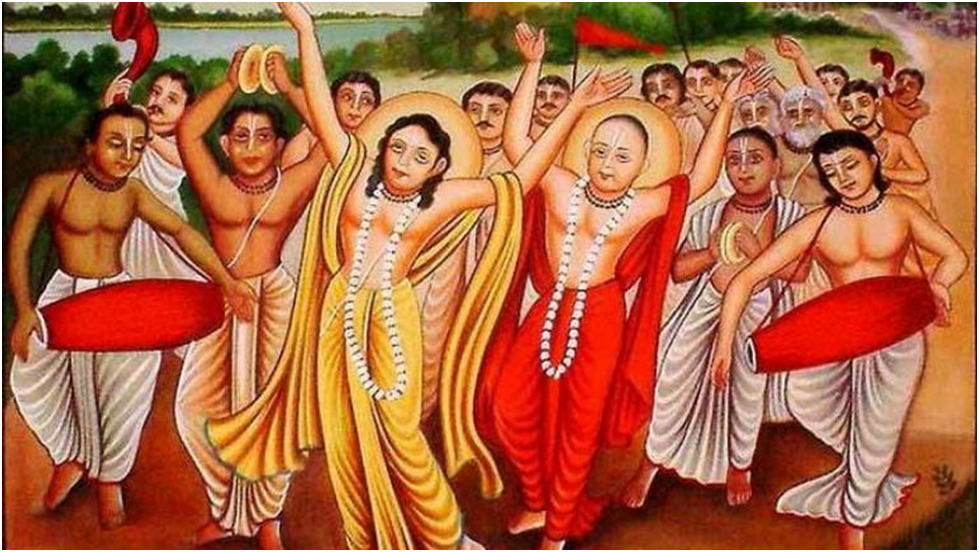
The Bhakti Movement was a religious and social movement that originated in India around the 7th century AD. It emphasized devotion (bhakti) to a personal god, rather than rituals and caste distinctions, and was characterized by the use of regional languages to express religious ideas. The movement played a significant role in the growth and development of regional languages in India in the following ways:
Promotion of regional languages
The Bhakti Movement encouraged the use of regional languages such as Tamil, Telugu, Kannada, Marathi, Bengali, and others for religious discourse. This helped in the promotion and preservation of these languages, which had previously been relegated to a secondary status.
Spreading literacy
The Bhakti saints and poets composed their works in the local languages, making religious texts more accessible to people who were not proficient in Sanskrit, the language of the learned elite. This helped in spreading literacy and education among the common people, leading to the growth of regional languages.
Cultural integration
The Bhakti Movement provided a platform for the integration of various regional cultures and traditions. The movement attracted followers from different castes, religions, and regions, and the use of regional languages helped in creating a sense of cultural unity among people.
Influence on literature
The Bhakti Movement had a profound impact on literature in regional languages. It led to the development of new literary forms such as the vachana in Kannada, abhangas in Marathi, and padams in Telugu. These literary forms were used to express religious ideas and became an important part of the regional literature.
Thus, the Bhakti Movement played a significant role in the growth and development of regional languages in India. It helped in the promotion of regional languages, spreading literacy, cultural integration, and the development of new literary forms.
Must read: https://fotisedu.com/contribution-of-sufis-to-indian-society-and-culture/
External link: https://en.wikipedia.org/wiki/Bhakti_movement
